

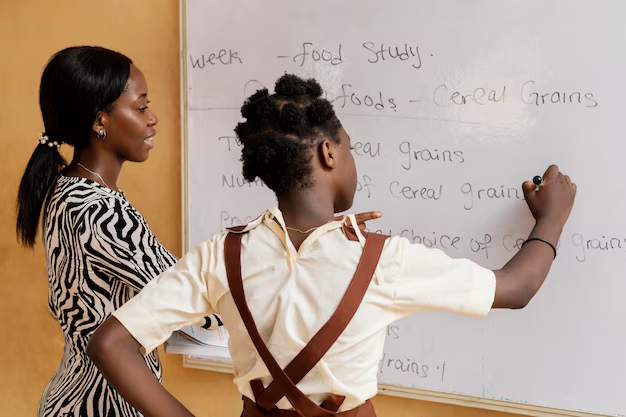
This article presents a professionally detailed and well-researched breakdown of the JSS 2 French Language Scheme of Work for the second term. The content is structured to engage readers, provide clarity for novices, and attract search engine traffic through its SEO-optimized design.
Scheme of Work for JSS 2 French Language (Second Term)
| Week(s) | Topic(s) | Content |
|---|---|---|
| Week 1 | La Révision / Le Travail du Dernier Trimestre et l’Examen / Les Objets | Review of previous term’s work, examination of objectives, and objects. |
| Week 2 | Dégager les Caractéristiques de la Vie Rurale | Identifying characteristics of rural life. |
| Week 3 | Dégager les Caractéristiques de la Vie Urbaine | Identifying characteristics of urban life. |
| Week 4 | Parler des Ressemblances | Discussing similarities between rural and urban life. |
| Week 5 | Décrire les Grandes Fêtes de la Communauté | Describing major festivals in the community. |
| Week 6 | Identifier les Choses Nouvelles dans la Communauté | Identifying new developments in the community. |
| Week 7 | Parler de la Jeunesse dans la Communauté | Discussing youth in the community. |
| Week 8 | Parler de la Mode dans la Communauté | Talking about fashion in the community. |
| Week 9 | La Journée | Talking about the daily routine. |
| Week 10 | La Révision | Review of all topics from the term. |
Detailed Explanation of Each Topic
Week 1: La Révision / Le Travail du Dernier Trimestre et l’Examen / Les Objets
Content: Students review last term’s work and examine their learning objectives for the new term.
- Example 1: Revision of common French verbs and their conjugations (avoir, être).
- Example 2: Review of vocabulary related to school objects (stylo, cahier, sac).
- Example 3: Discussing key grammar points like articles (le, la, les).
- Example 4: Practicing simple sentences, e.g., J’ai un livre. (I have a book).
- Example 5: Writing short paragraphs about school life.
- Example 6: Identifying learning goals for the new term.
Week 2: Dégager les Caractéristiques de la Vie Rurale
Content: Students learn about life in rural areas, focusing on daily activities, challenges, and culture.
- Example 1: Identifying common activities in rural areas like farming (l’agriculture).
- Example 2: Discussing rural housing styles (les maisons en boue).
- Example 3: Exploring rural means of transportation (les vélos, les charrettes).
- Example 4: Learning vocabulary for animals commonly found in rural areas (les poules, les chèvres).
- Example 5: Understanding community gatherings like markets (les marchés).
- Example 6: Discussing rural school systems and their setup.
Week 3: Dégager les Caractéristiques de la Vie Urbaine
Content: Focus on urban living, including lifestyle, infrastructure, and opportunities.
- Example 1: Identifying features of cities like tall buildings (les immeubles).
- Example 2: Exploring modes of transportation (les voitures, les trains).
- Example 3: Learning about urban occupations (les avocats, les médecins).
- Example 4: Discussing social life in cities, e.g., cinema and restaurants.
- Example 5: Challenges in urban areas like traffic jams (les embouteillages).
- Example 6: Comparing urban schools with rural schools.
Week 4: Parler des Ressemblances
Content: Compare and contrast rural and urban life, emphasizing similarities.
- Example 1: Discussing shared cultural values like hospitality (l’hospitalité).
- Example 2: Identifying common occupations like farming and trading.
- Example 3: Exploring similarities in festivals and celebrations.
- Example 4: Analyzing family structures in both settings.
- Example 5: Shared reliance on markets for food and goods.
- Example 6: Discussing the use of local language in communication.
Week 5: Décrire les Grandes Fêtes de la Communauté
Content: Exploration of major festivals and their significance in community life.
- Example 1: Celebrating Sallah or Christmas (Noël).
- Example 2: Discussing wedding ceremonies (les mariages).
- Example 3: Festivals marking harvest seasons (les récoltes).
- Example 4: New Year celebrations and traditions.
- Example 5: Local religious festivals like Ramadan.
- Example 6: Special dances or songs performed during festivals.
Week 6: Identifier les Choses Nouvelles dans la Communauté
Content: Focus on recent developments and their impacts on the community.
- Example 1: Introduction of new technology like mobile phones (les téléphones portables).
- Example 2: Building new roads and bridges (les ponts).
- Example 3: Establishing new schools or hospitals.
- Example 4: Arrival of new businesses or markets.
- Example 5: Changes in fashion trends (les nouvelles tendances).
- Example 6: Influence of media on the community.
Week 7: Parler de la Jeunesse dans la Communauté
Content: Discussion about the role and challenges faced by youth in society.
- Example 1: Importance of education for youth.
- Example 2: Challenges like unemployment (le chômage).
- Example 3: Youth participation in sports and recreational activities.
- Example 4: Role of youth in community development.
- Example 5: Influence of peer pressure (l’influence des pairs).
- Example 6: Awareness of health and wellness campaigns.
Week 8: Parler de la Mode dans la Communauté
Content: Understanding how fashion reflects community identity and influences.
- Example 1: Traditional attire like boubou.
- Example 2: Modern trends like jeans and t-shirts (les jeans et les t-shirts).
- Example 3: Fashion during festivals and ceremonies.
- Example 4: Influence of global fashion on local styles.
- Example 5: Importance of accessories (les bijoux).
- Example 6: Gender differences in fashion choices.
Week 9: La Journée
Content: Learn how to describe a typical day using French vocabulary and phrases.
- Example 1: Morning routine (Je me lève à six heures).
- Example 2: Breakfast time and activities (Je prends le petit-déjeuner).
- Example 3: Activities at school or work (Je vais à l’école).
- Example 4: Afternoon leisure activities (Je joue au football).
- Example 5: Evening relaxation (Je regarde la télévision).
- Example 6: Preparing for bed (Je me couche à dix heures).
Week 10: La Révision
Content: Review of all topics and preparation for the end-of-term exam.


